

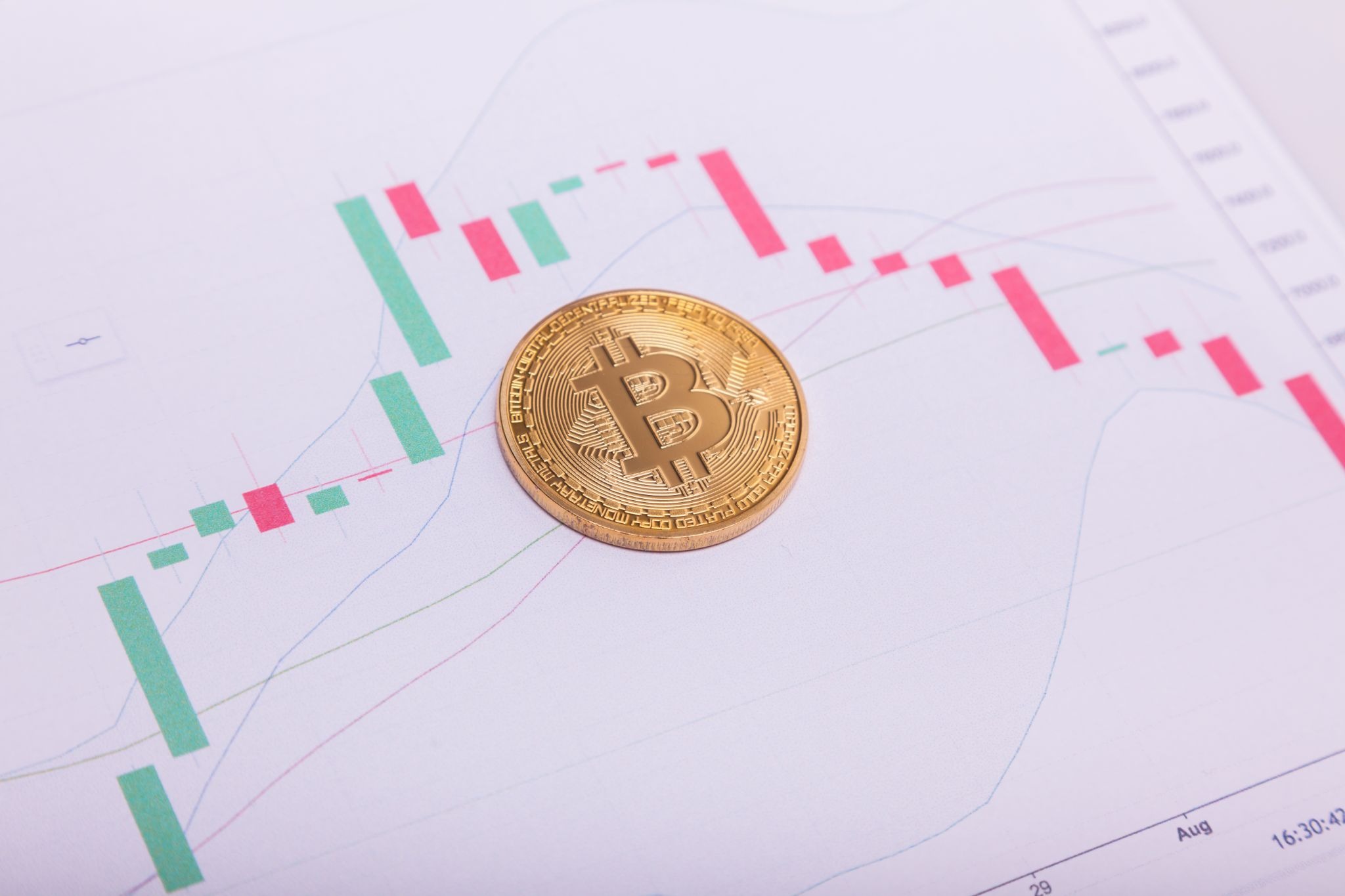
The crypto market is famous for its wild swings. Prices can surge or collapse in hours, catching investors off guard. Understanding crypto market volatility is critical for both new traders and seasoned investors. Volatility reflects the degree to which asset prices fluctuate over time, and in crypto, these fluctuations are often extreme. Unlike traditional markets, cryptocurrencies lack centralized oversight, making them more sensitive to a combination of structural, behavioral, and external factors. By understanding these drivers, investors can develop strategies to manage risk, trade more effectively, and make informed decisions in a fast-moving environment.
Liquidity refers to how easily an asset can be bought or sold without significantly affecting its price. In crypto markets, liquidity varies widely between assets. Low liquidity can amplify volatility, while high liquidity can help stabilize prices.
Smaller, low-cap cryptocurrencies often experience sharp price swings due to thin order books. A single large buy or sell order can shift the price dramatically. These coins are particularly vulnerable during periods of hype or panic, as even modest trading volumes create outsized reactions. Low liquidity also increases slippage, meaning that executing large trades may cost more than anticipated. Investors targeting smaller coins should understand that these assets are inherently more volatile, and entry or exit points must be carefully timed to avoid unexpected losses.
In contrast, major cryptocurrencies like Bitcoin and Ethereum have high daily trading volumes across multiple exchanges worldwide. This liquidity acts as a buffer, reducing the price impact of individual trades. While these assets still experience volatility, it is generally less severe than in smaller markets. High liquidity allows for smoother price discovery and greater market depth, giving investors confidence that large trades can be executed without triggering massive swings. Understanding how liquidity influences volatility helps investors allocate capital according to risk tolerance.
Regulation plays a decisive role in crypto market volatility. Governments around the world are still defining legal frameworks for digital assets, which means announcements and policies can dramatically affect prices.
Sudden bans, taxation changes, or approvals of crypto-related financial products often lead to sharp market reactions. For example, when a major country announces a restriction on crypto trading, prices can plummet almost instantly as investors rush to exit positions. Conversely, news of regulatory clarity or approval of institutional products can trigger rapid price appreciation.
Strategic investors monitor regulatory developments closely. Understanding not just the content of the regulation but also market perception is key. Markets tend to overreact to ambiguity, amplifying volatility in the short term. Anticipating these reactions allows investors to adjust their positions or hedge exposure effectively.
Behavioral factors significantly influence crypto price movements. The market is highly emotional, and sentiment often drives volatility more than fundamentals. Fear, greed, and speculation can create dramatic price swings in either direction.
Market sentiment oscillates between fear and greed. During euphoric rallies, investors may ignore fundamentals, buying aggressively in anticipation of further gains. Conversely, panic selling during a sudden dip can exaggerate losses. These emotional extremes create feedback loops that magnify volatility. Savvy investors track indicators like the Crypto Fear & Greed Index to gauge overall sentiment and identify potential turning points. Recognizing these cycles is essential for timing trades and managing risk.
Social media platforms and online communities have become powerful catalysts in crypto markets. Tweets from influential figures, Reddit discussions, or viral news can trigger sudden price movements. In recent years, several coins have experienced explosive short-term gains due to coordinated online campaigns or celebrity endorsements. While social media can offer early signals, it also adds unpredictability. Investors must differentiate between fleeting hype and long-term value, adjusting strategies accordingly to navigate volatility effectively.
The crypto ecosystem is constantly evolving, with upgrades, forks, and new protocols influencing investor behavior. Technological events can introduce both opportunity and risk, contributing to market volatility.
Network upgrades, software forks, or major protocol changes can create uncertainty in the short term. Traders may react to potential compatibility issues, anticipated value shifts, or perceived advantages of a particular chain. For instance, a hard fork may split a cryptocurrency into two assets, generating speculation and price fluctuations until the market stabilizes.
Security breaches or hacks are another major volatility driver. Exploits on exchanges, DeFi protocols, or individual coins can result in massive sell-offs, wiping out value within hours. Even rumors of vulnerabilities can provoke market reactions. Investors need to assess technological risks proactively and consider diversification, secure storage, and reputable platforms to mitigate exposure.
Cryptocurrencies, while relatively independent of traditional financial systems, are increasingly influenced by macroeconomic conditions. Changes in interest rates, inflation trends, or global financial crises can ripple through crypto markets.
Economic instability often drives investors toward or away from crypto assets. During periods of fiat currency devaluation, some investors may view cryptocurrencies as a hedge, driving demand and volatility. Conversely, rising interest rates or tightening monetary policy can reduce liquidity in risk assets, prompting sell-offs and increased price swings.
Global events like geopolitical tensions, trade disputes, or sudden market shocks can also impact sentiment and trading behavior. Understanding how these macro factors correlate with crypto performance allows investors to anticipate potential volatility and adjust portfolio strategies accordingly.
Volatility is not inherently negative; it presents both risk and opportunity. Successful investors adopt strategies to manage exposure while leveraging market dynamics.
Diversification: Spreading investments across multiple cryptocurrencies or asset classes reduces the impact of extreme movements in any single coin.
Risk Management: Using stop-loss orders, position sizing, and hedging techniques helps contain potential losses during high-volatility periods.
Technical Analysis: Monitoring historical price trends, support and resistance levels, and volatility indicators can inform tactical entry and exit points.
Long-Term Perspective: Understanding the broader adoption trends, technological developments, and macroeconomic influences encourages a balanced approach, avoiding panic-driven decisions.
By combining strategic thinking with real-time monitoring of liquidity, regulatory news, sentiment, and technology updates, investors can navigate the crypto market more effectively, reducing exposure to sudden swings while capitalizing on informed opportunities.
Crypto market volatility is the product of multiple intertwined factors, including liquidity, trading volume, regulatory developments, investor sentiment, social media influence, technological changes, and macroeconomic conditions. Each element can amplify or dampen price movements, creating both risk and opportunity.
Strategic investors approach volatility as a measurable, manageable aspect of market behavior rather than an unpredictable threat. By understanding the mechanics behind price swings, monitoring emerging trends, and applying disciplined risk management, it is possible to operate successfully in highly volatile crypto markets. Recognizing when external forces or internal market dynamics are likely to create significant swings allows investors to anticipate challenges and leverage opportunities intelligently. In the fast-moving world of cryptocurrencies, knowledge, preparation, and adaptability are the keys to navigating volatility while maximizing long-term outcomes.
Category :